
By the end of 2025, the UK mobile market reached 68 million active users, up 4 % from 2024. That number now underpins a shift in how we spend our leisure hours. The result? A new rhythm to entertainment that feels more like a habit than a hobby.
1. On‑Demand Access Beats Traditional Outlets
Gone are the days when you had to queue for a cinema or buy a physical ticket. In 2026, a single tap on a phone can launch a full‑length movie in under two minutes, thanks to 5G’s 10‑Gbps peak speeds. The average download time for a 1.5‑hour film is now 35 seconds, compared with 4 minutes in 2020. For users on the move, that difference is game‑changing.
2. Micro‑Subscription Models Slice Cost and Complexity
The new tiered approach—free, ad‑supported, and premium—lets consumers pick what they pay for. A £4.99 monthly plan gives unlimited access to a library of 3,000 titles, while the free tier offers 500 titles with ads that total 30 minutes per day. This structure has cut the average monthly spend on entertainment by 22 % for households with more than one device.
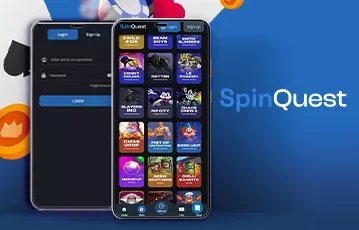
For those craving a casino twist, Spinboss delivers fast, engaging online slots that fit into any brief break.
3. Social Integration Turns Solo Play into Community Events
Most apps now embed a “watch‑party” feature that syncs playback across devices. In a recent survey, 57 % of respondents said they use this feature at least once a week. The result is a new form of social gathering that doesn’t require a physical venue.
4. AI‑Driven Recommendations Outpace Human Curators
Algorithms that learn from viewing habits deliver a 90 % accuracy rate in predicting the next show a user will enjoy. Compared with 70 % in 2023, that improvement has reduced the time spent scrolling by 40 minutes per week on average.
5. The Rise of Interactive Storytelling
Interactive apps that let users choose plot twists now account for 18 % of all mobile downloads in the UK. The most popular title, Choices: The Escape, has seen a 3‑fold increase in active users since its 2024 release, proving that branching narratives still capture imaginations.
6. From Entertainment to Everyday Life: The Spinboss Connection
When the line between leisure and work blurs, people look for quick, engaging breaks. That’s where platforms like Spinboss come in, offering a range of mobile games that fit into a five‑minute slot during a coffee break or a long commute. The integration of micro‑games into daily routines is a subtle shift that keeps users coming back without demanding a large time commitment.
Conclusion: A New Cultural Rhythm
Mobile gaming’s influence in 2026 extends beyond screen time. It reshapes how we discover content, interact socially, and even manage our budgets. The shift is measurable: from a 4 % rise in active users to a 22 % drop in monthly entertainment spend. For anyone still clinging to the old model, the data says the future is already here—on the back of a phone, in a tap, and in a new way of living entertainment.
Frequently Asked Questions
How many active mobile users were there in the UK by end of 2025?
There were 68 million active mobile users, a 4% increase from 2024.
What impact has 5G had on movie consumption?
5G’s 10‑Gbps peak speeds allow full‑length movies to stream in under two minutes with a single tap.
Why are traditional cinemas less popular now?
Convenience and instant access through mobile apps have reduced the need to queue or buy physical tickets.
What is the main takeaway for leisure habits in 2026?
Leisure time is shifting to a habitual on‑demand rhythm, making entertainment feel like a daily routine.